
Innovation With Purpose
Emergence Trains Founders to Tackle Society’s Toughest Health Challenges
Narges Baniasadi, PhD, had already achieved the kind of success that Silicon Valley celebrates.
The Stanford-trained bioengineer and entrepreneur had built a biotech company, sold it, and risen into executive leadership. Venture capital firms wanted to hire her. She could have started another company. The sky was the limit. Instead, she chose a path that she calls “a million times harder.”
In 2021, Baniasadi returned to Stanford to launch Emergence, an entrepreneurship program designed to help health tech business founders tackle the upstream and systemic drivers of health while building ventures aimed at disease prevention and health equity.
Years in biotechnology changed the way Baniasadi viewed Silicon Valley. She came to believe the industry rewarded a particular kind of success: companies built around breakthrough technologies that could grow quickly, attract investors, and ultimately be acquired. Many of society’s biggest health challenges — including housing, food access, social connection, education, and environmental conditions — didn’t fit that model.
“I started to see a gap between where entrepreneurship and innovation were headed and where some of society’s biggest problems actually existed,” she says.
After nearly a decade working in the field of genomics, Baniasadi had what she describes as her “aha moment.” A person’s ZIP code, she learned, is often a stronger predictor of health than their genetic code. Research suggests that 50%–80% of health outcomes are shaped by social, environmental, behavioral, and structural factors, she notes.
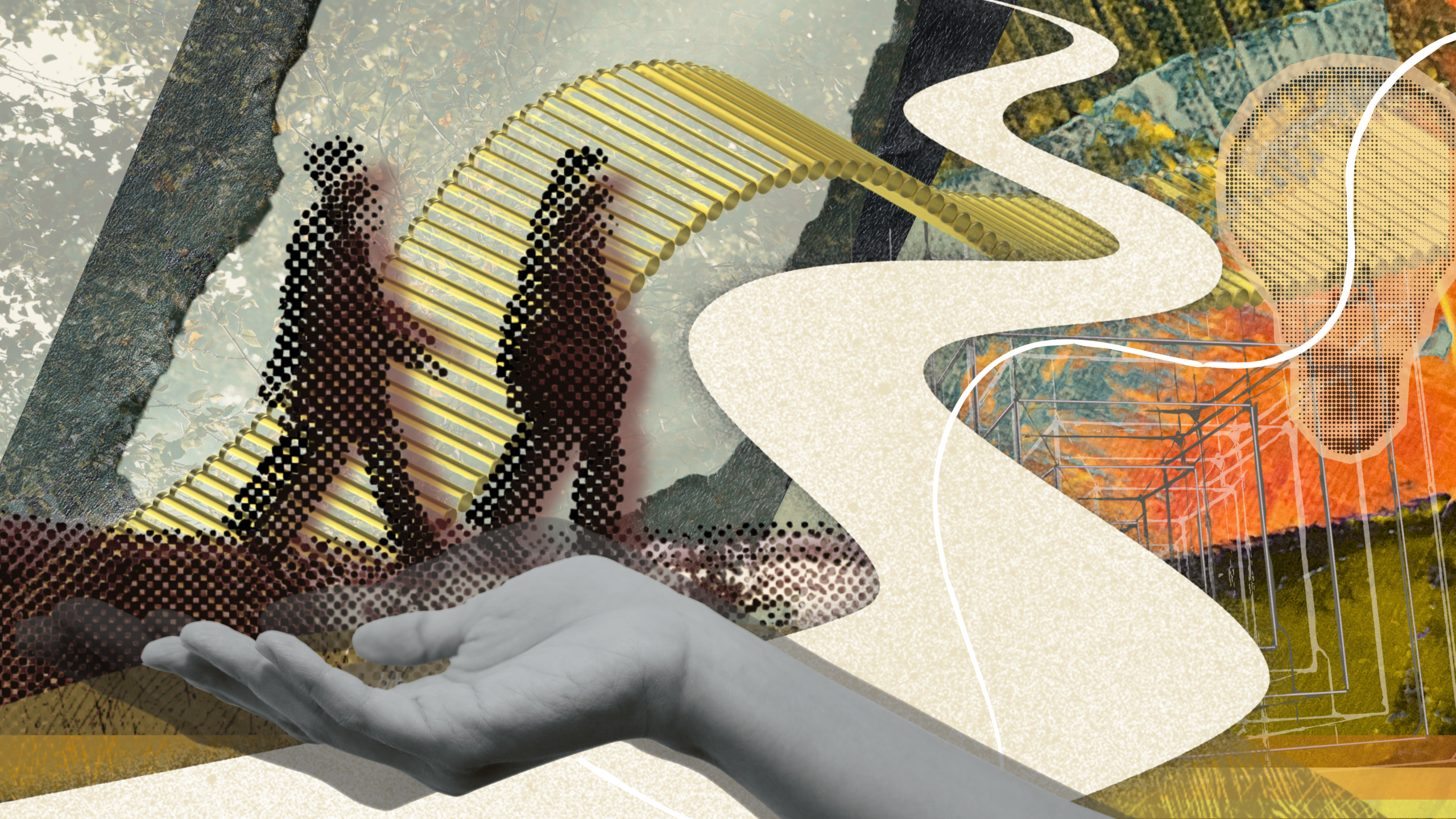
Through classes, startup coaching, and a growing network of investors and industry partners, Emergence encourages founders to focus on problems that shape people’s lives long before they encounter the healthcare system. Participants have developed ventures aimed at solving challenges such as food insecurity, maternal health, chronic pain, mental health, and access to care.
At the center of Emergence is an innovation framework coined by the Emergence team as P4, which stands for Purpose, People, Product, and Profit. The model guides innovators to consider not only customers and technologies, but also broader effects on communities and health outcomes.
The name Emergence traces back to a period of reflection that followed Baniasadi’s departure from the corporate world in 2018. While studying systems change, she became interested in the concept of emergence, the idea that new possibilities arise when people and institutions with different perspectives come together. The theory resonated with her vision for a program that would connect founders, investors, industry leaders, researchers, and community partners around society’s toughest health challenges.
Students begin by examining real-world challenges, from the health risks that extreme heat poses for construction workers to barriers that prevent schools from serving healthy, sustainable food. They often leave campus to meet directly with the people most affected by the problems they hope to solve.
“We take them where the problems are,” Baniasadi says.
To date, Emergence has supported more than 40 ventures and has trained more than 180 students. Its founders have raised nearly $35 million to advance projects spanning maternal health, LGBTQ+ mental health, chronic pain treatment, special education, and more.
One startup is developing nonaddictive therapies for chronic pain using AI-guided drug discovery. Another provides insurance-covered group mental health services for LGBTQ+ patients. Others are working to improve pregnancy monitoring, water security, and access to care.
Stanford Bioengineering PhD students Laura Moreno and Danielle Klinger entered the Emergence accelerator after identifying a problem in maternal healthcare. During her own pregnancy, Moreno was struck by how little information patients and clinicians have between appointments.
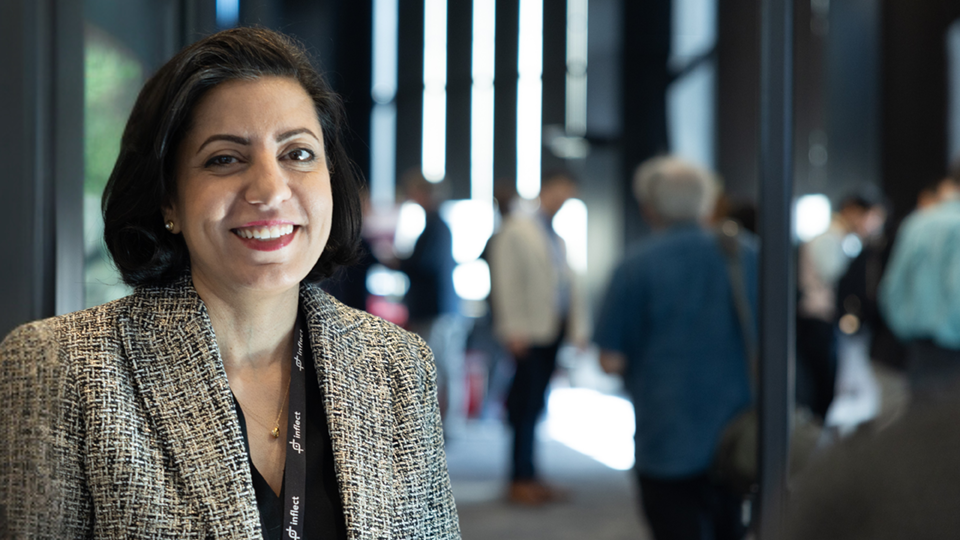
Narges Baniasadi, PhD, Founder and Executive Director of Emergence at Stanford, hosted the organization’s annual Impact Summit, bringing together leaders advancing innovation in health equity and sustainability.
“I realized that this is not only me,” Moreno says. “Pregnant women may have frequent challenges and questions, and this is part of a bigger systemic issue rather than a first-time mom freaking out every other day.”
Working together, Moreno and Klinger began developing Bebeo, a maternal health–monitoring platform designed to provide continuous information about pregnancy development outside the clinic. The goal is to give patients greater reassurance while helping clinicians identify potential problems earlier.
“We would not be where we’re at had we not joined the program,” Klinger says.
Baniasadi says the program is now getting serious traction from industry and the investment community, but it has not been easy. Many people have encouraged her to pursue more conventional opportunities in venture capital or industry. Some have questioned why she would devote herself to building a grassroots program inside academia.
“It has been emotionally hard at times,” she says. “There have been days that I thought I should quit, but I continued.”
What keeps her going, she says, are the students and founders.
“It brings me so much inspiration and joy to work with them every year,” she says. “They tell us we’re changing their lives.”
One founder recently told her something she still thinks about.
“It’s not just what the program teaches,” the founder said. “It shows founders that it’s possible to do good in this world and do well.”
Share this page!
2026
Spotlights
Stanford and Samaritan House
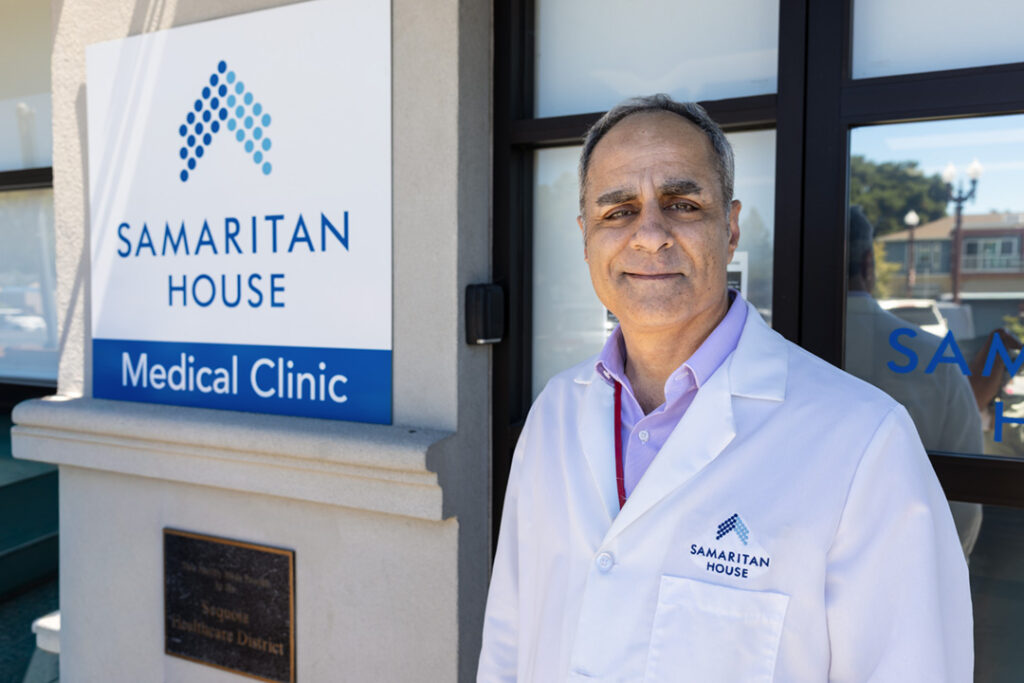
Stanford’s student-run free clinics have long been a cornerstone of community care — but a new partnership with Samaritan House is taking them further. The collaboration is expanding access for underserved patients while giving medical students things no classroom can offer: real experience, real responsibility, and real stakes.
Building a Medical Home for Adults With Sickle Cell Disease
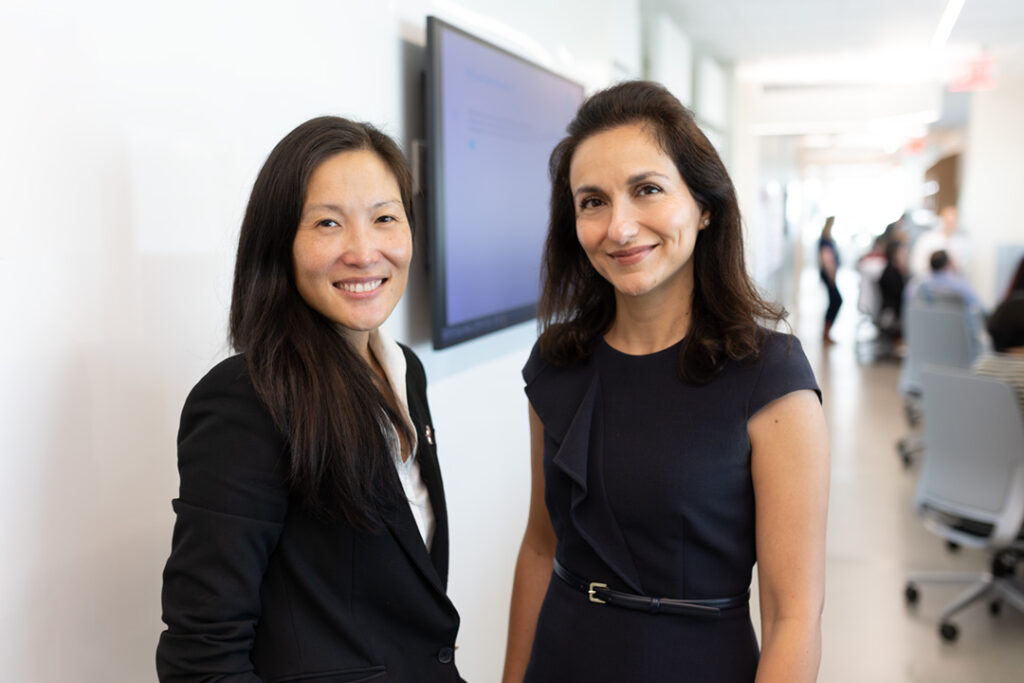
Adults with sickle cell disease have long faced a fragmented care system that can leave them without a consistent medical home. Stanford physicians Giselle Salmasi, MD, and May Chien, MD, are changing that — building a comprehensive program that gives patients coordinated care, access to emerging therapies, and longer lives.
Teaming Up
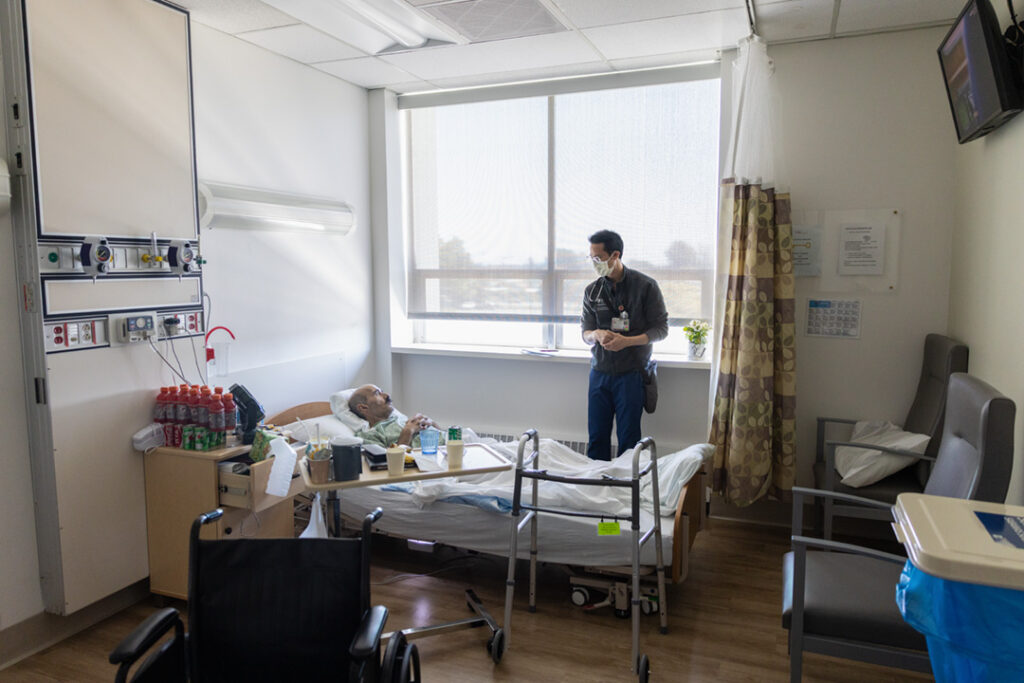
For patients recovering from a serious illness or surgery, the gap between hospital care and what comes next can be dangerous. Stanford Health Care is closing that gap at St. Rose Hospital in Hayward, which is the first facility of its kind to house both a skilled nursing unit and an acute care hospital under one roof, developed in partnership with Alameda Health System.
The Disease That Looks Like Everything Else
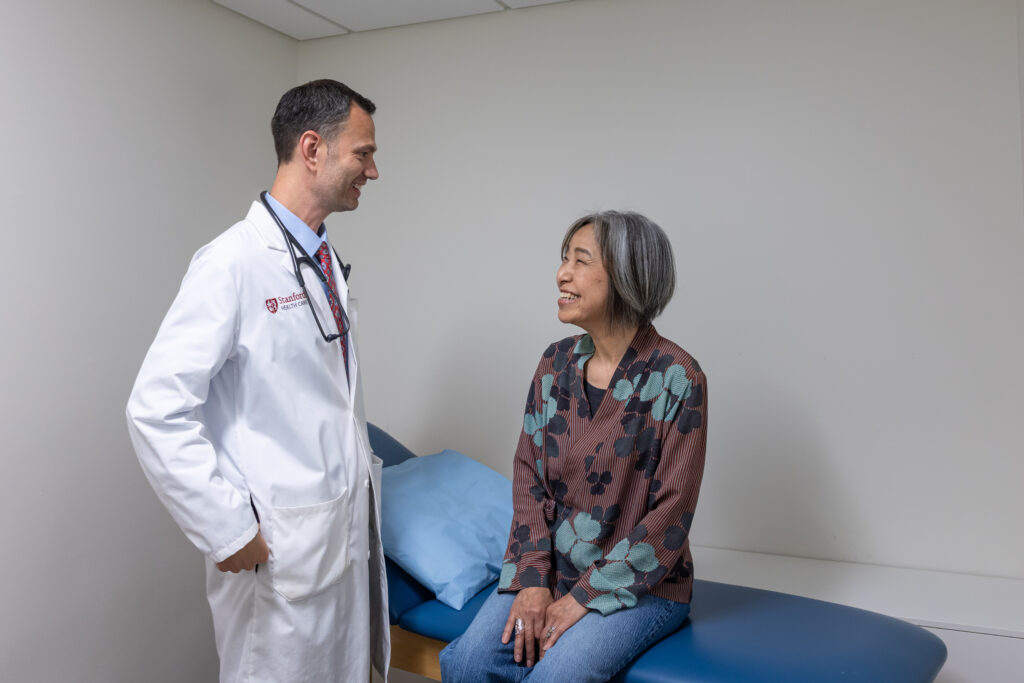
IgG4-RD can look like cancer, infection, or any number of autoimmune conditions, leaving patients like Yasuko bouncing between specialists for years without answers. For Yasuko, reaching Stanford rheumatologist Matthew Baker, MD, one of the world’s leading IgG4-RD experts, meant not just a diagnosis, but a doctor who listened, involved her in decisions, and took a personal investment in her care.
Tracking the Invisible
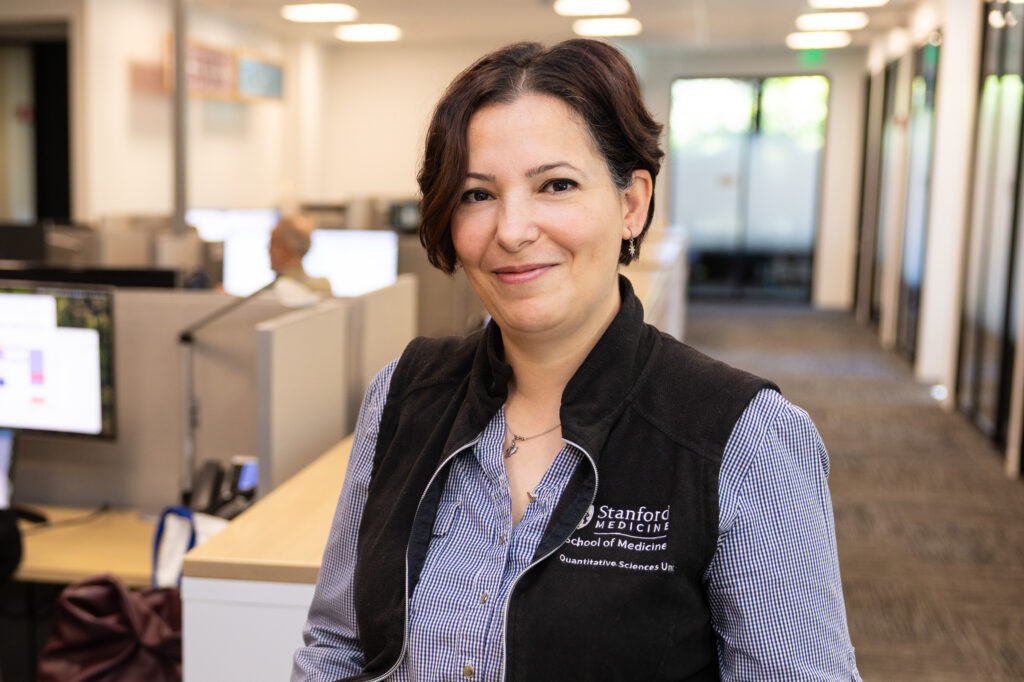
Long COVID looks different in every patient, which makes it nearly impossible to study and treat. Stanford data scientists are now using data from smartwatches to track how symptoms evolve over time and test which interventions actually help. Data Science Manager and lead author Fatma Gunturkun shares what they’re finding, and what it could mean for the millions still searching for answers.

When Great Research Ideas Stall, Clinical Research Hub Helps Move Them Forward
Every clinical study begins with an idea. Getting it off the ground is another story. The Department of Medicine’s Clinical Research Hub is the team that steps in when a promising study hits a wall, offering hands-on support with regulatory hurdles, study design, recruitment, and more.
A Personal Mission
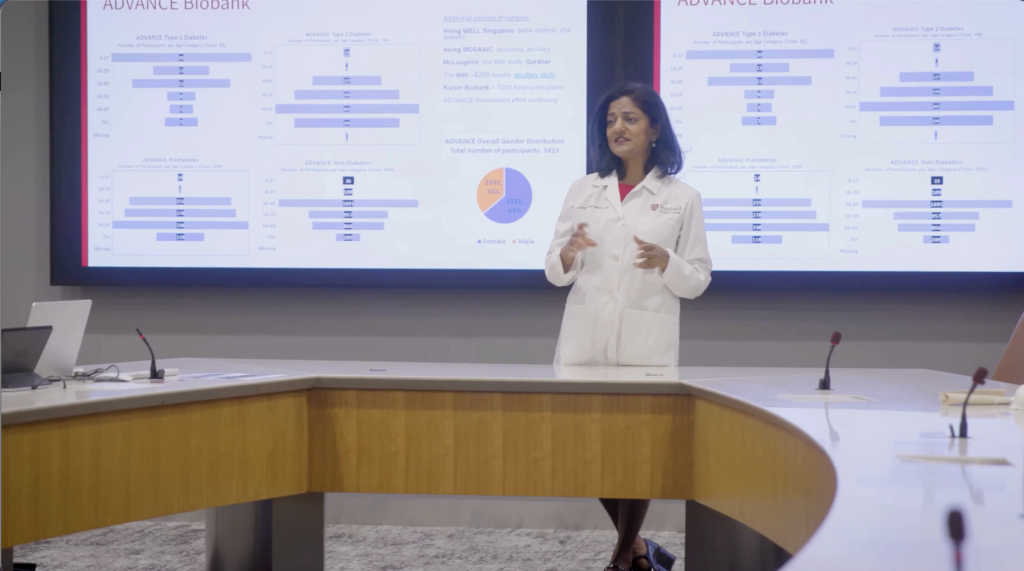
For Latha Palaniappan, MD, the elevated diabetes risk facing Asian and Asian American patients isn’t just a research question. It’s personal. ADVANCE, her new Stanford precision medicine hub, is investigating why these populations develop diabetes at higher rates, and often at lower body weights, than conventional models predict, and building the science to do something about it.

Jojo’s Journey
When transplant nephrologist Patrick Ahearn, MD, and his wife, Peggy Bui, MD, learned that their baby had a rare, life-threatening genetic condition, they did what physician-parents do: They started searching for a cure. With the help of Stanford colleagues, they may have found one — and a path that could be replicated for other rare genetic diseases.
Easing Access
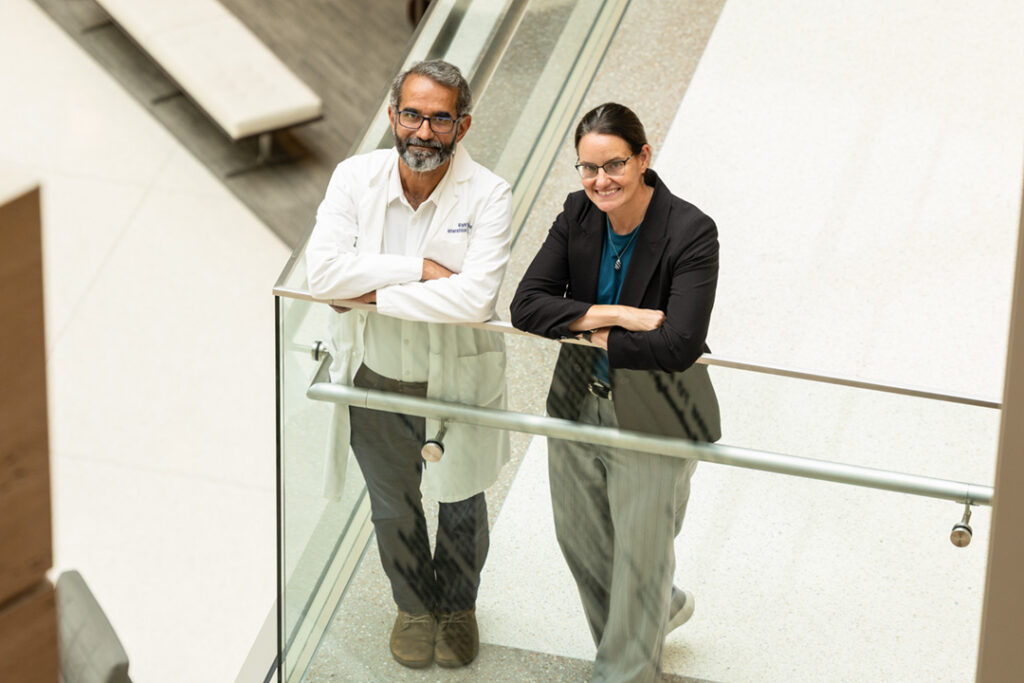
Margaret, 67, once faced a 14-week wait and a 45-minute drive to Palo Alto just to see a pulmonary specialist. Today she gets that same care close to home, as part of Stanford Pulmonary, Allergy, and Critical Care Medicine’s decade-long push to bring subspecialty expertise into the East Bay, building the fastest-growing service line in Stanford Health Care.