

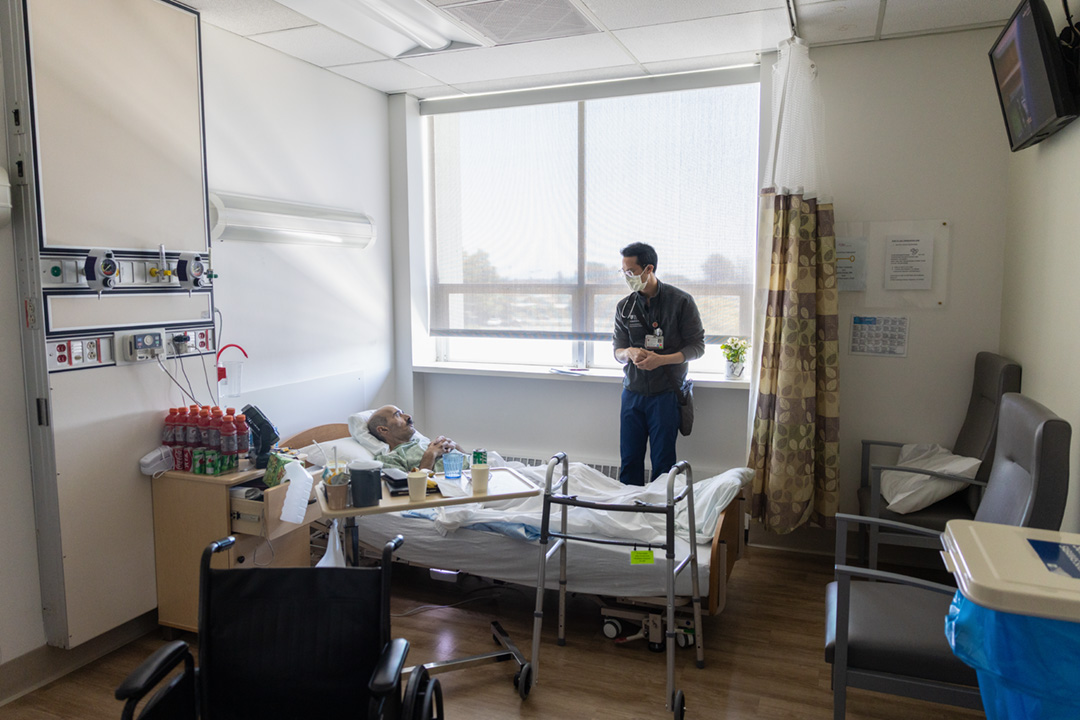
Patients return home with peace of mind after they’ve been cared for at Stanford’s skilled nursing facility, says Charles Liao, MD, post–acute care medical director at Stanford Health Care.
Teaming Up
Stanford First in Skilled Nursing Within an Acute Care Hospital
Hospitalized patients with medically complex conditions may no longer need the high level of care offered at a hospital but may also not be ready to return home. Delays in finding the best post–acute care environment can keep patients in the hospital longer than necessary, which, in turn, can delay admitting new patients in need of acute care services.
Stanford Health Care and Alameda Health System (AHS) are addressing both challenges with a new skilled nursing facility (SNF) and an acute care unit at St. Rose Hospital in Hayward.

First Department of Medicine-Led Skilled Nursing Facility in an Acute Care Hospital
SNFs play a critical role in the continuum of care for recovering patients, allowing a safe transition to less acute care before going home. Traditionally they operate as freestanding facilities with limited access to hospital-level resources. Stanford’s SNF embedded within St. Rose Hospital, launched in March 2026, introduces a different approach. The 20-bed unit is physically located within an acute care hospital and is staffed by Stanford physicians supported by St. Rose nurses, therapists, and ancillary teams.
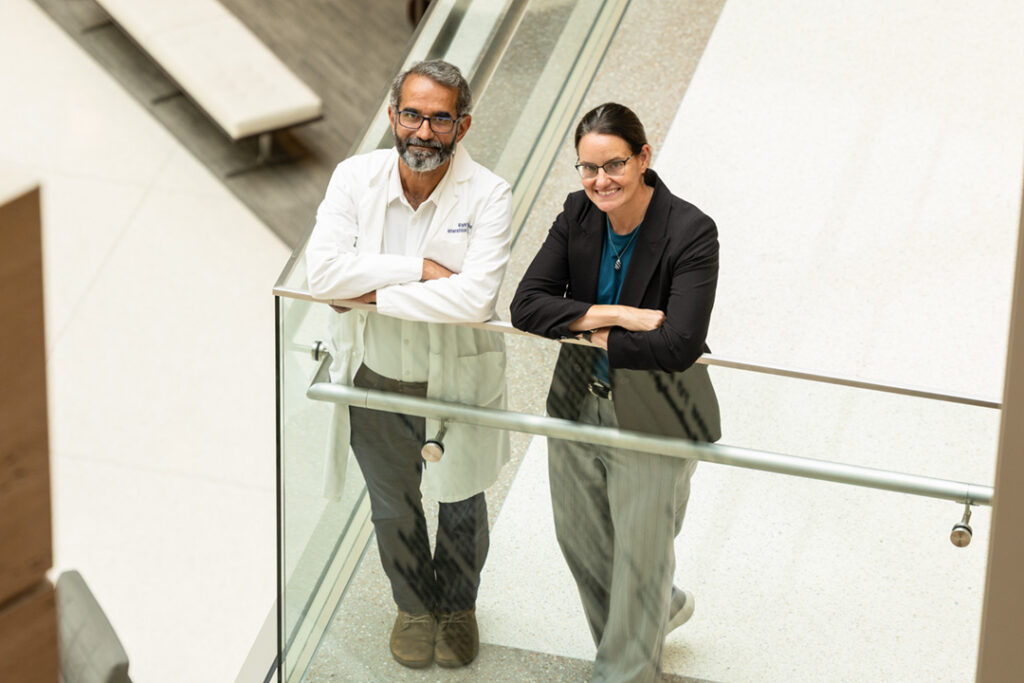
Leading the effort to create the first-of-its-kind SNF overseen by the Department of Medicine are Charles Liao, MD, post–acute care medical director at Stanford Health Care, and Ryan Chiang, MD, medical director, St. Rose. The creation of the SNF was driven, in large part, by the Division of Hospital Medicine, whose physicians care for one-third of all inpatients at Stanford Health Care Palo Alto and 95% of all inpatients at Stanford Health Care Tri-Valley, as well as patients at community partner sites including Sequoia Hospital and now St. Rose.
This configuration at St. Rose offers numerous benefits, such as giving patients immediate access to emergency and diagnostic services and inpatient specialists. Notes Liao, “When there’s a need to escalate a patient’s care, we can leverage St. Rose Hospital resources. Inpatient health care providers can evaluate patients at the SNF rather than have them travel to off-site clinics. In emergencies, patients can go to the downstairs Emergency Room rather than be transported by ambulance to an off-site hospital. This can be lifesaving in some situations.”
“And,” explains Chiang, “by extending Stanford’s inpatient care model into the post–acute setting, we can maintain continuity and reduce fragmentation. Clinical decisions are aligned across settings, and we can respond more quickly to changes in a patient’s condition.”
One of the most persistent challenges in hospital medicine is transitioning patients who are stable enough to be discharged but still require significant medical oversight. “Delays in SNF placement — whether from lack of space in a SNF or inadequate insurance — contribute to prolonged hospital stays and reduce the availability of beds,” says Chiang. “The St. Rose model addresses these issues by embedding Stanford hospitalists directly within the SNF and providing resources that support recovery, such as assisting patients in navigating insurance coverage.”
Adds Liao, “From the patients’ perspective, they appreciate our ability to see them through different levels of care and can return home with peace of mind.”
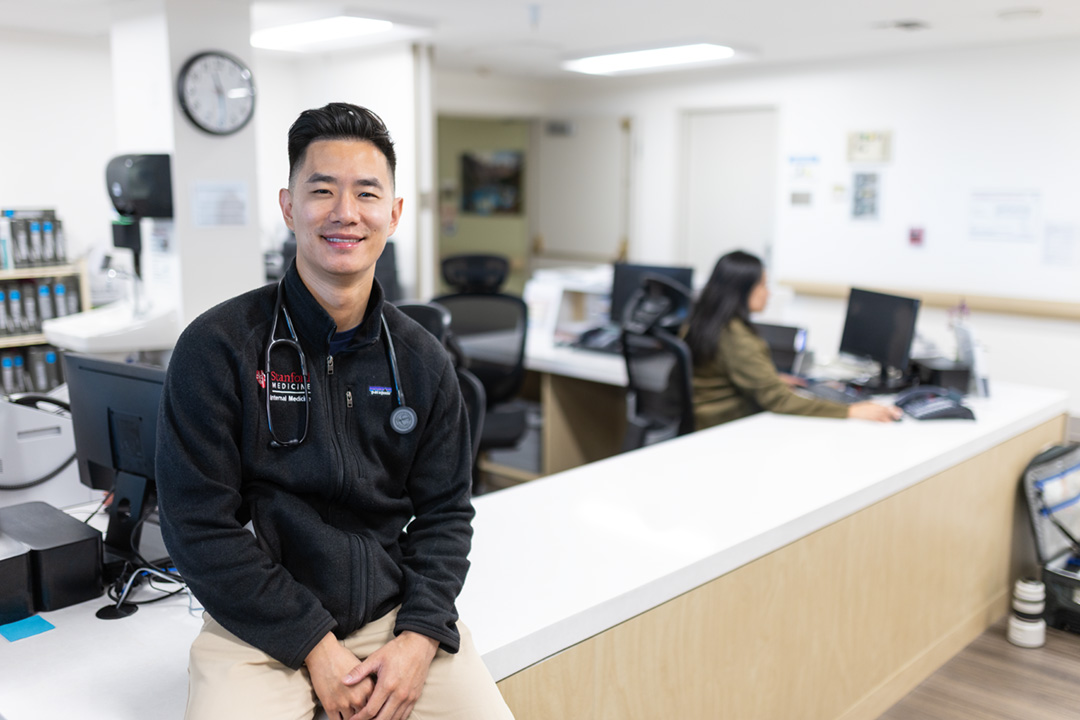
Skilled nursing facilities provide a safe transition to less acute care after a hospital stay, notes Ryan Chiang, MD, St. Rose medical director.
Next Up: Stanford Acute Care Unit at St. Rose
The second phase of the community partnership with AHS is scheduled to open in early 2027: a 24-bed acute care unit at St. Rose Hospital, led by the Division of Hospital Medicine and staffed by Stanford physicians, nurses, and ancillary personnel.
The Department of Medicine debuted this hospital-within-a-hospital concept at Sequoia Hospital in 2024, and it was such a success that it is being used as a model for this similar unit. Thomas Lew, MD, who oversaw the creation of the Stanford Health Care Patient Care Unit at Dignity Sequoia Hospital and serves as medical director, is taking on those roles at St. Rose as well.
Lew explains, “Our Sequoia model laid the groundwork for moving stabilized patients to another inpatient ward managed by Stanford, making space on the main campus for patients with more complex needs. We’re still seeing significant capacity challenges at Stanford Hospital, so St. Rose provides needed space, while also allowing us to extend care into a community where we do not currently have a hospital footprint. It’s a win on both sides.”
Like the Sequoia unit, St. Rose will have telemetry-capable beds and allow virtual consults with an array of Stanford specialists. Unlike at Sequoia, the St. Rose unit will utilize on-site Laboratory and Radiology services and offer expanded medications and nursing services. “The goal is to be able to take stabilized patients with conditions such as sepsis, pneumonia, or acute kidney injuries who may have higher acuity than those at Sequoia,” notes Lew.
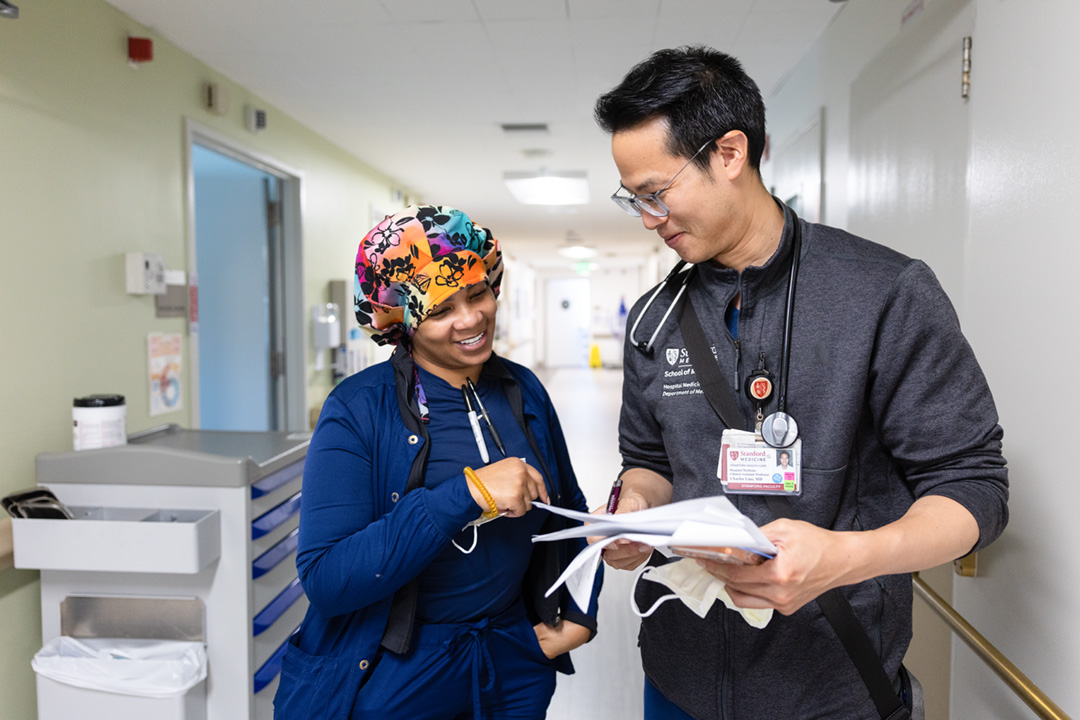
Charles Liao, MD, conferring with a care team member, appreciates the proximity of St. Rose Hospital resources when caring for patients in Stanford’s embedded skilled nursing facility.
Collaboration Inside and Out
While Lew, Chiang, and Liao led the efforts to develop these new services at St. Rose, they cite the pivotal support they received from within Stanford: Senior Vice President of Stanford Health Care Neera Ahuja, MD, Division of Hospital Medicine Chief Jason Hom, MD, Associate Division Chief of Hospital Medicine Jeffrey Chi, MD, and Administrative Division Director of Hospital Medicine Tamara Scott. An appreciative Chiang notes, “Thanks to their vision and support with resources, staffing, and funding, we were able to get the skilled nursing facility up and running in six months, which is amazing.”
The skilled nursing facility and acute care unit are only the first steps for the St. Rose alliance, with plans to broaden into other areas of mutual benefit. Lew, Chiang, and Liao appreciate the support they have received from AHS, from executives to frontline staff, which has helped make this collaboration a success. “This is just the beginning,” Chiang adds. “Our goal is to continue building a system where patients experience seamless, high-quality care across every stage of recovery.”
Collaboration Starts From Within
Recognizing the benefit of partnering with Alameda Health System — whose Medicare star ratings in post–acute care frequently rank 5 out of 5 — Liao and Chiang collaborated with Stanford geriatricians Can Chen, MD, and Katherine Ward, MD, to build out the St. Rose unit. Chen and Ward, who have a deep understanding of this patient population, have spearheaded efforts to embed Stanford physicians in SNFs where Stanford patients are frequently discharged.
Share this page!
2026
Spotlights
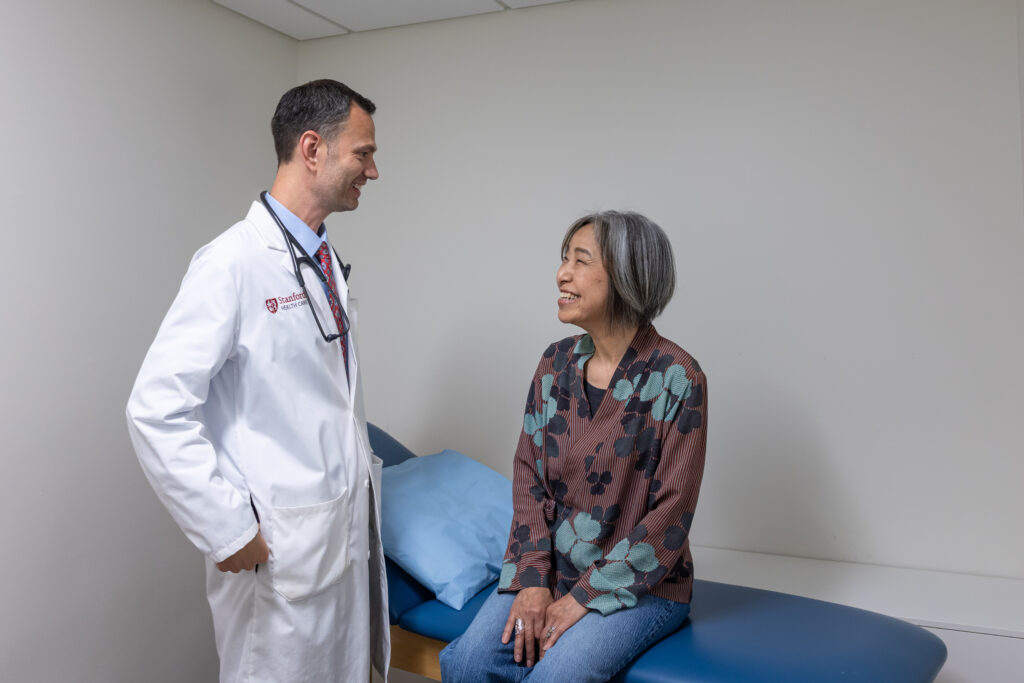
The Disease That Looks Like Everything Else
IgG4-RD can look like cancer, infection, or any number of autoimmune conditions, leaving patients like Yasuko bouncing between specialists for years without answers. For Yasuko, reaching Stanford rheumatologist Matthew Baker, MD, one of the world’s leading IgG4-RD experts, meant not just a diagnosis, but a doctor who listened, involved her in decisions, and took a personal investment in her care.
Tracking the Invisible
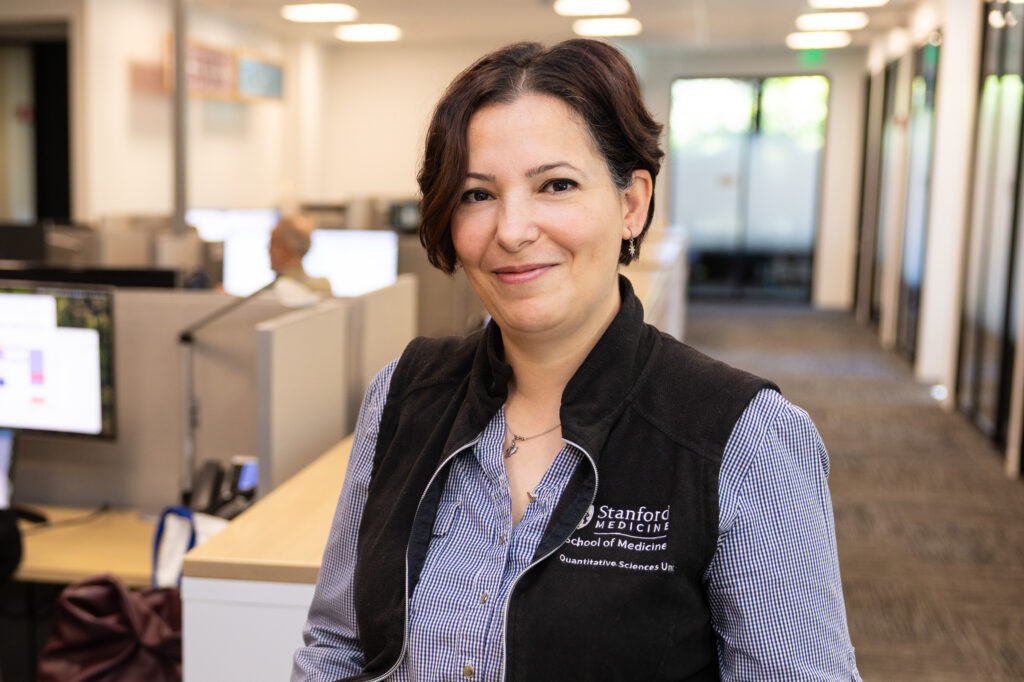
Long COVID looks different in every patient, which makes it nearly impossible to study and treat. Stanford data scientists are now using data from smartwatches to track how symptoms evolve over time and test which interventions actually help. Data Science Manager and lead author Fatma Gunturkun shares what they’re finding, and what it could mean for the millions still searching for answers.

Jojo’s Journey
When transplant nephrologist Patrick Ahearn, MD, and his wife, Peggy Bui, MD, learned that their baby had a rare, life-threatening genetic condition, they did what physician-parents do: They started searching for a cure. With the help of Stanford colleagues, they may have found one — and a path that could be replicated for other rare genetic diseases.
Stanford and Samaritan House
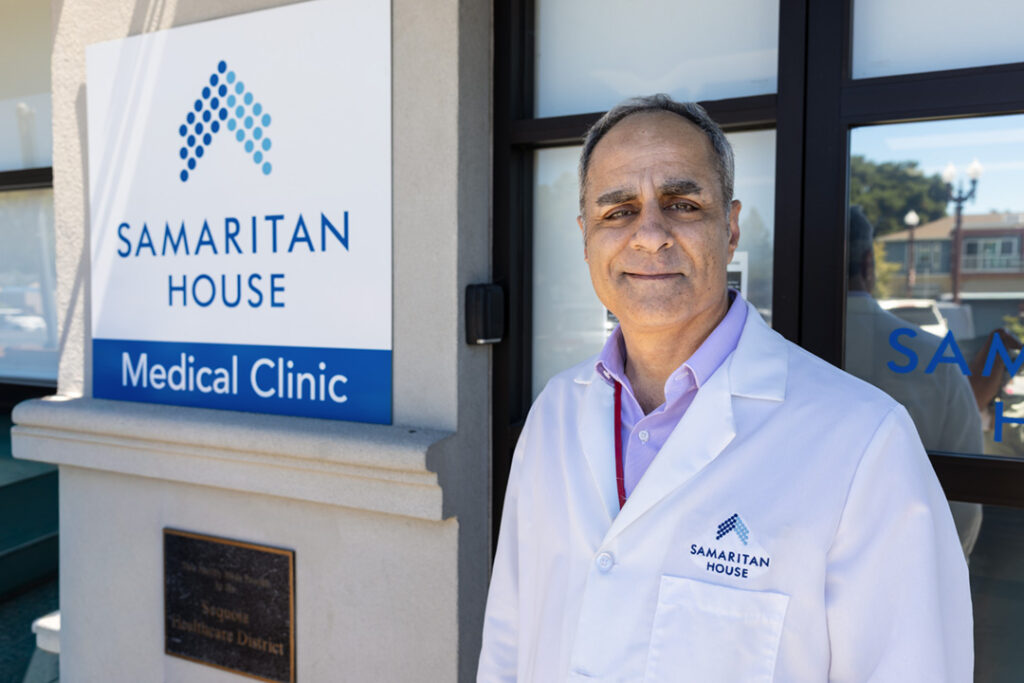
Stanford’s student-run free clinics have long been a cornerstone of community care — but a new partnership with Samaritan House is taking them further. The collaboration is expanding access for underserved patients while giving medical students things no classroom can offer: real experience, real responsibility, and real stakes.

Innovation With Purpose
After building and selling a biotech company, Narges Baniasadi, PhD, could have continued climbing Silicon Valley’s corporate ladder. Instead, she returned to Stanford to launch Emergence, an entrepreneurship program that helps founders build companies tackling some of society’s toughest health challenges. The program is training a new generation of innovators to pursue both purpose and profit.

When Great Research Ideas Stall, Clinical Research Hub Helps Move Them Forward
Every clinical study begins with an idea. Getting it off the ground is another story. The Department of Medicine’s Clinical Research Hub is the team that steps in when a promising study hits a wall, offering hands-on support with regulatory hurdles, study design, recruitment, and more.
Building a Medical Home for Adults With Sickle Cell Disease
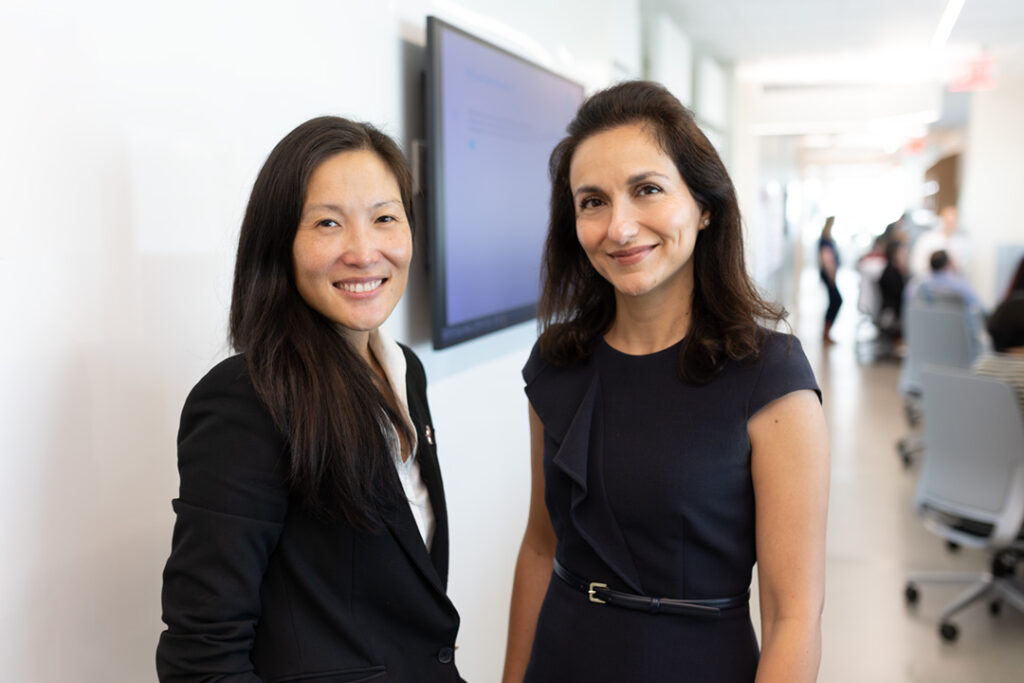
Adults with sickle cell disease have long faced a fragmented care system that can leave them without a consistent medical home. Stanford physicians Giselle Salmasi, MD, and May Chien, MD, are changing that — building a comprehensive program that gives patients coordinated care, access to emerging therapies, and longer lives.
A Personal Mission
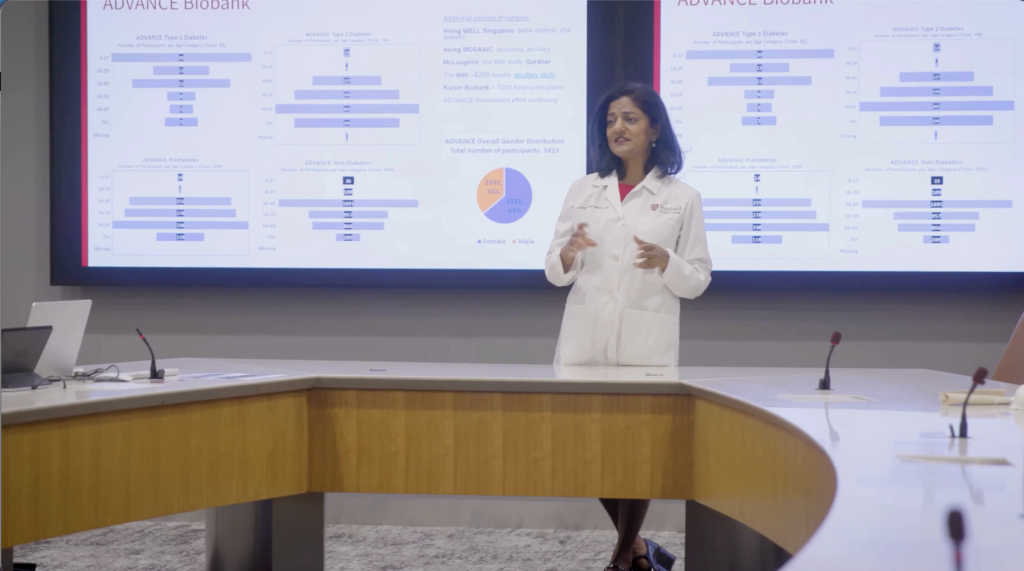
For Latha Palaniappan, MD, the elevated diabetes risk facing Asian and Asian American patients isn’t just a research question. It’s personal. ADVANCE, her new Stanford precision medicine hub, is investigating why these populations develop diabetes at higher rates, and often at lower body weights, than conventional models predict, and building the science to do something about it.
Easing Access
Margaret, 67, once faced a 14-week wait and a 45-minute drive to Palo Alto just to see a pulmonary specialist. Today she gets that same care close to home, as part of Stanford Pulmonary, Allergy, and Critical Care Medicine’s decade-long push to bring subspecialty expertise into the East Bay, building the fastest-growing service line in Stanford Health Care.